Jasper National Park Travel Guide: Planning, Highlights and Visitor Tips
Jasper National Park Travel Guide: Planning, Highlights and Visitor Tips
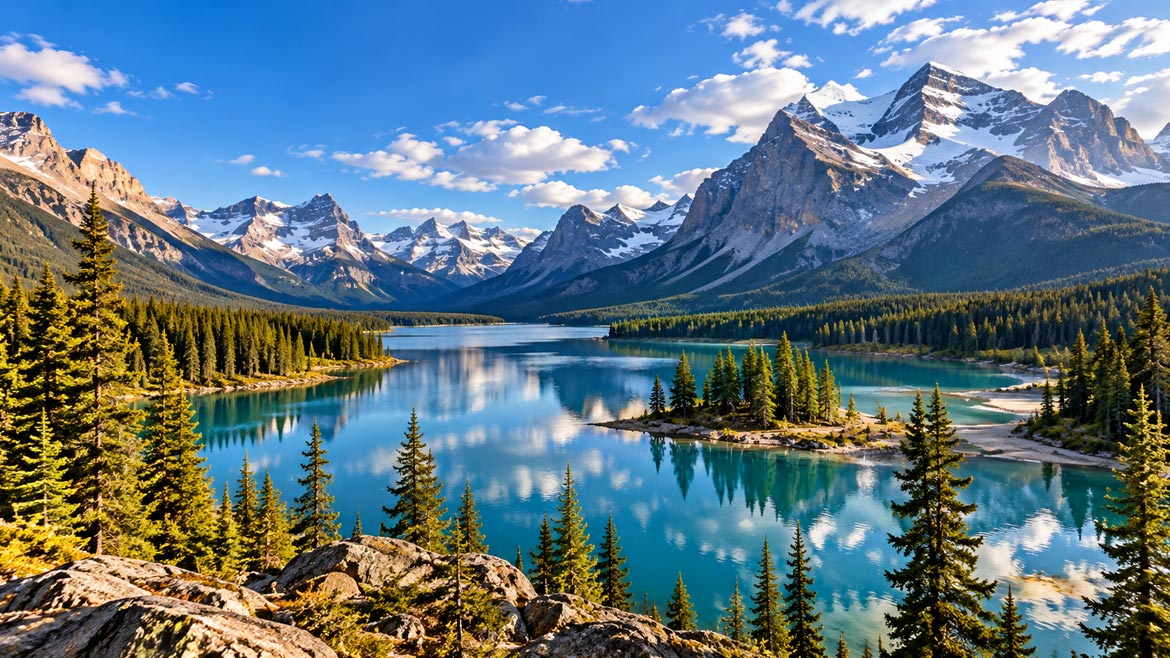
Jasper National Park covers 11,228 square kilometres in Alberta’s Canadian Rockies, making it the largest national park in the Canadian Rockies. Its broad valleys, mountain lakes, glaciers, waterfalls, wildlife habitat and long scenic roads create a different kind of Rockies trip: distances are substantial, conditions can change quickly, and seeing several major attractions often requires more than one day. Jasper is also part of the Canadian Rocky Mountain Parks UNESCO World Heritage Site.
For travellers planning a first visit, the practical details matter as much as the scenery. This guide covers the main places to see, how to reach Jasper from Edmonton or Calgary, getting around the park, seasonal conditions, park passes, accommodation, wildlife safety, accessibility and the differences between travelling independently and joining guided experiences.
One important consideration for current trips is Jasper’s ongoing recovery from the 2024 wildfire. Most trails have reopened, but some areas remain closed and conditions can change. Maligne Canyon, for example, remains closed to public access as of October 2026. Check current Parks Canada closures and trail conditions, as well as Alberta 511 road information, shortly before travelling rather than relying on an older itinerary or map.
What Makes Jasper National Park Different
Jasper is not a single attraction centred around one viewpoint or visitor complex. It is an extensive protected mountain landscape crossed by major highways and smaller park roads, with attractions spread across several valleys. That scale gives travellers considerable freedom, but it also makes realistic route planning essential.
Scale, Access and Park Regulations
Jasper National Park stretches across more than 11,000 square kilometres. Highway 16, also known as the Yellowhead Highway, crosses the northern part of the park from east to west, while Highway 93—the Icefields Parkway—runs south towards Lake Louise and Banff National Park. The Icefields Parkway itself extends approximately 232 kilometres between Jasper and Lake Louise.
Visitors entering Jasper National Park generally need valid Parks Canada admission. You can purchase daily admission or a Parks Canada Discovery Pass, depending on the length of your trip and whether you plan to visit other participating parks. As of September 8, 2026, regular Jasper National Park admission is CAD 12.25 per adult, CAD 10.75 per senior and CAD 24.50 per family/group, while admission is free for youth aged 17 and under. Fees can change, so confirm current rates with Parks Canada before travelling.
Road access, trails and day-use areas can also change because of weather, seasonal restrictions, wildfire recovery, wildlife activity or maintenance. Parks Canada advises travellers to check Alberta 511 for current road conditions rather than relying solely on navigation apps.
A useful rule for planning Jasper is simple: confirm what is open before finalising each day. An attraction that appears close on a map may require a substantial drive, and seasonal or temporary closures can change the most efficient route.
Best Things to See in Jasper National Park
Jasper’s major attractions are spread across several parts of the park, so it is usually better to group nearby places together rather than moving back and forth across the same roads.
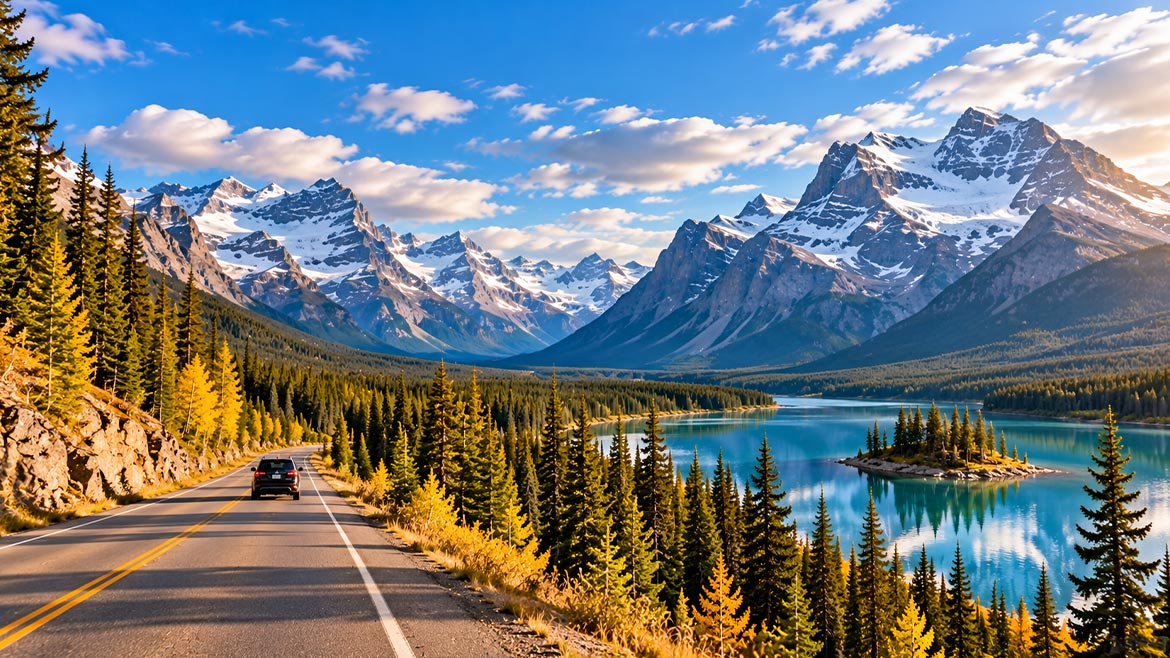
Maligne Lake is one of Jasper’s best-known destinations. The lake is reached through the Maligne Valley and is the departure point for seasonal cruises to Spirit Island. Cruise capacity and operating periods are limited, so travellers who consider the cruise an essential part of their visit should check current schedules and book accordingly.
Athabasca Falls is another popular stop, particularly for travellers driving the Icefields Parkway. The main viewpoints are reached from the parking area by short walking routes, making the falls an easy stop on a scenic driving day.
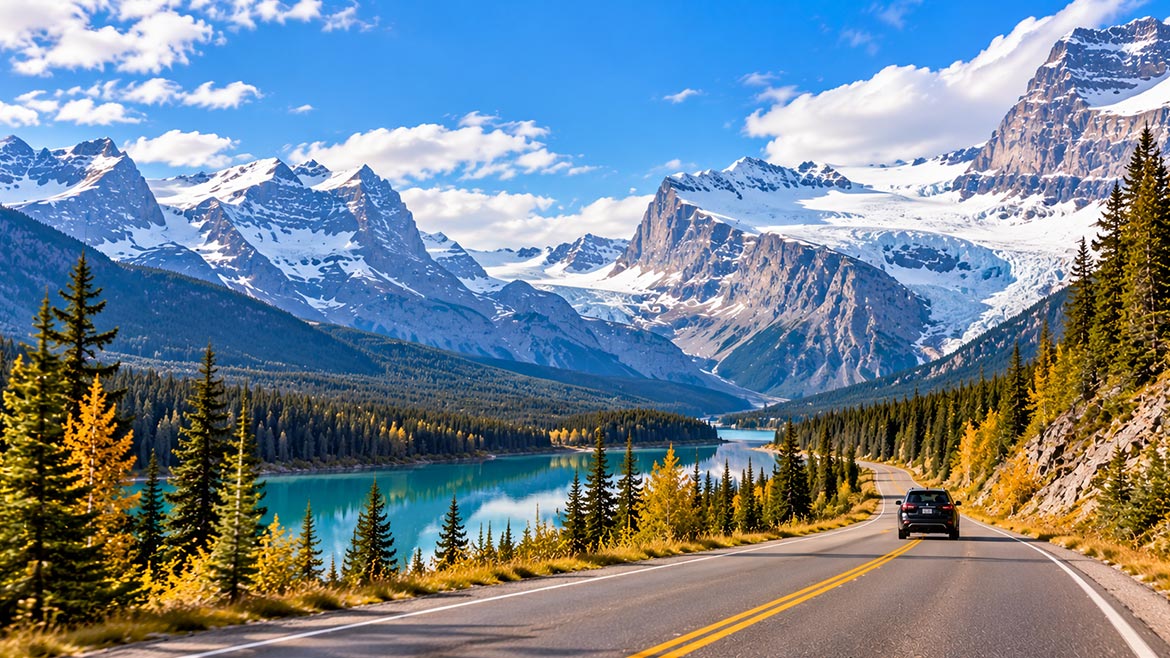
The Icefields Parkway is an attraction in its own right, not simply a road between Jasper and Banff. The 232-kilometre route between Jasper and Lake Louise passes mountain valleys, waterfalls, lakes, glaciers and the Columbia Icefield area. Driving times should include time for viewpoints and stops rather than being calculated as a simple point-to-point transfer.
Pyramid Lake and nearby Pyramid Island provide another option close to Jasper townsite. They can fit comfortably into a shorter sightseeing period and are useful when a full-day excursion is not practical.
Jasper SkyTram provides seasonal access to Whistlers Mountain, with broad views over the surrounding ranges and valleys. Because mountain weather and visibility can change quickly, check current operating information and conditions before making the trip.
Maligne Canyon has traditionally been one of Jasper’s major attractions, but it should not currently be included in visitor itineraries. As of October 2026, Parks Canada lists Maligne Canyon as closed to public access following impacts from the 2024 wildfire. Do not enter the closed area, including for winter recreation, unless Parks Canada officially reopens it.
How to Get to Jasper National Park
Jasper is accessible by road from several major Western Canadian gateways. Edmonton and Calgary are the most common starting points for air travellers, while Vancouver can work well for a longer Western Canada road trip.
Driving from Edmonton to Jasper
The drive from Edmonton to Jasper is approximately 366 kilometres and normally takes around four hours in good conditions. The main route follows Highway 16 west through Hinton and into Jasper National Park.
Allow extra time for fuel, food, road construction, traffic and winter conditions. The drive is more direct than approaching Jasper from Calgary because it does not require travelling the full Icefields Parkway.
Driving from Calgary to Jasper
Jasper is approximately 412 kilometres from Calgary. A common scenic route follows the Trans-Canada Highway west towards Banff and Lake Louise before continuing north on Highway 93, the Icefields Parkway. Tourism Jasper estimates the drive at about five hours in normal conditions, before allowing time for sightseeing stops.
If the Icefields Parkway is part of your sightseeing, allow considerably longer. Stops at viewpoints, waterfalls and the Columbia Icefield area can turn the transfer into a full travel day.
Driving the Icefields Parkway in Winter
Winter changes the character of the Icefields Parkway considerably. From November 1 to March 31, vehicles travelling the parkway must have snow tires or chains; the requirement also applies outside these dates when the road is covered with snow or ice. Winter services are extremely limited, with no services available along the parkway.
Travellers should fill the fuel tank before setting out, carry appropriate winter supplies and check road conditions before departure. Parks Canada also recommends planning winter travel during daylight hours. Mobile coverage is limited along the route and should not be relied on.
Getting Around Jasper National Park
A realistic transportation plan is particularly important in Jasper because attractions are spread across a large area. A private vehicle offers the greatest flexibility, but it is not the only way to structure a visit.
Driving and Parking
Driving remains one of the most practical ways to reach Jasper’s dispersed lakes, waterfalls, trailheads and scenic corridors. The advantage is flexibility, but popular locations and the Jasper townsite can be busy during peak periods.
Paid parking operates in parts of the Jasper townsite seasonally, and conditions can change from year to year. If you are staying centrally, walking to restaurants, shops and some town services can reduce unnecessary short car trips.
When planning a driving day, group attractions geographically. A Maligne Lake excursion, for example, should not automatically be combined with a long Icefields Parkway itinerary simply because both appear on a list of Jasper highlights.
Public Transit and Guided Transportation
Jasper has local transit, as well as regional service between Jasper and Hinton. Routes, seasonal services and fares can change, so check the current Jasper Transit schedule when planning a car-free or partially car-free stay.
Commercial sightseeing tours can also provide transportation to selected attractions. These are particularly useful for travellers who do not want to drive mountain roads, have limited time or prefer interpretation during the journey.
However, public transit and sightseeing tours should not be treated as interchangeable with having a private vehicle. Check whether the places you specifically want to visit are served on your travel dates.
Using Jasper Townsite as a Base
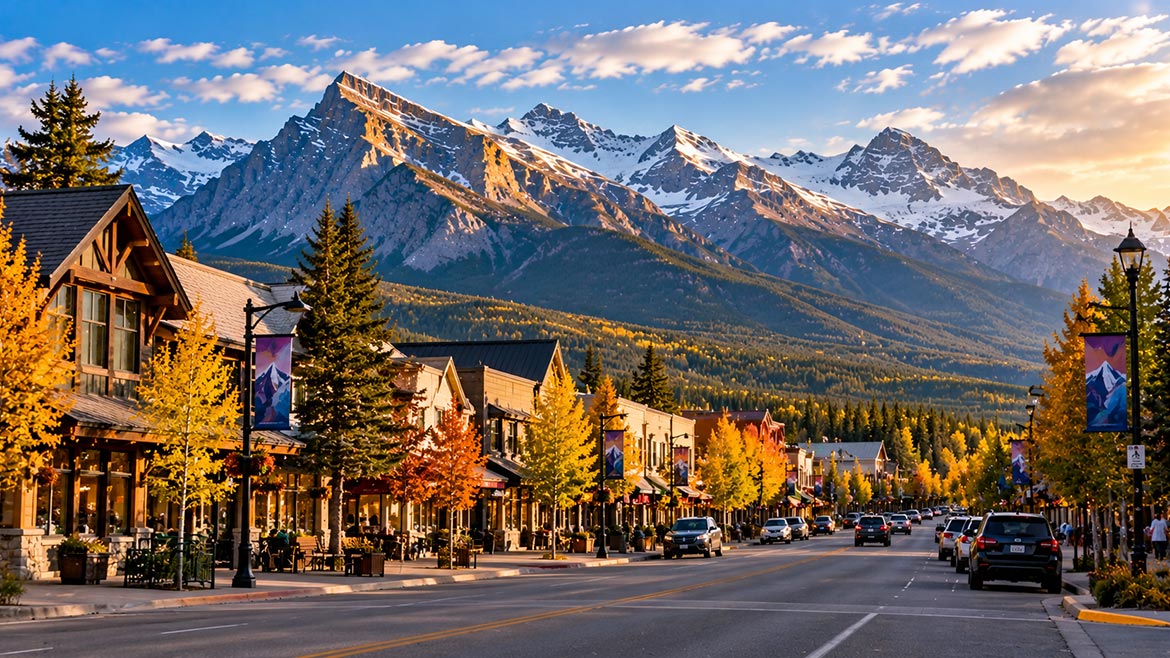
For most first-time visitors, staying in or close to Jasper townsite simplifies the trip. Accommodation, restaurants, groceries, fuel, visitor information and other services are concentrated there, while major park roads radiate towards different sightseeing areas.
The townsite is therefore a practical base for separate day trips towards Maligne Lake, Pyramid Lake and the Icefields Parkway rather than repeatedly travelling into the park from a distant community.
If accommodation in Jasper is unavailable or outside your budget, compare alternatives carefully. A lower nightly rate farther away may be offset by additional driving time and fuel.
Best Time to Visit Jasper National Park
There is no single best time to visit Jasper. Summer offers the broadest range of activities and access, while autumn, winter and spring each suit different priorities. Mountain weather remains variable in every season, and conditions at higher elevations can differ substantially from those in the townsite.
Summer: June to September
Summer offers the widest range of hiking, scenic drives, lake activities and seasonal attractions. It is also the busiest period, especially around popular sightseeing locations.
Long daylight hours make it easier to combine hiking, scenic drives and viewpoints in one day. However, a long summer day should not become an excuse to overload the itinerary. Driving distances remain significant, and trailheads or parking areas can become busy.
Accommodation, camping and ticketed experiences are best planned ahead for high-demand periods. Parks Canada specifically recommends campground reservations during the busy summer months.
Spring and Autumn
Spring and autumn can work well for travellers who are comfortable with less predictable conditions. Trails and higher-elevation areas may still have snow in spring or receive early snowfall in autumn, while some seasonal businesses and experiences operate on shorter schedules.
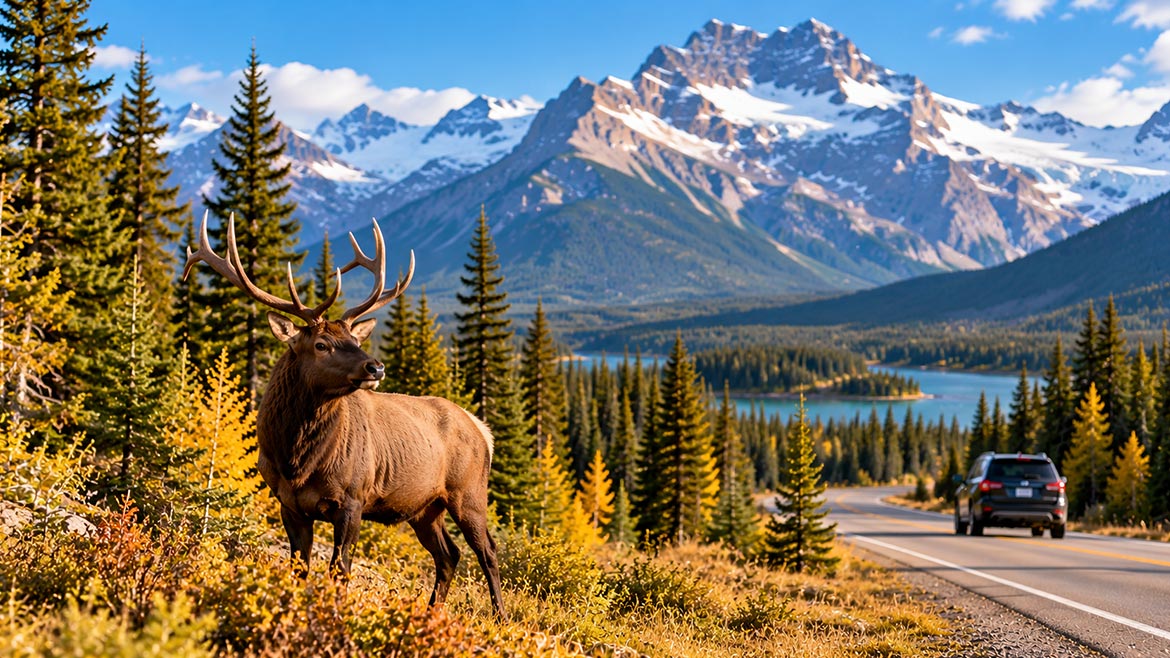
Autumn is also elk rutting season. Parks Canada identifies the rutting period as September 1 to October 15 and warns that bull elk can become particularly aggressive. Keep well away and never position yourself between a male elk and females.
Flexibility is especially useful in these seasons. Rather than building a trip around a rigid checklist, prepare alternative routes or shorter activities that can be used if weather or access changes.
Winter: November to March
Jasper is open year-round, but winter requires a different approach. Snowshoeing, skiing, winter scenery and dark-sky experiences replace many of the lake cruises, summer hikes and other warm-season activities.
Some park roads close seasonally, while winter driving can be affected by snow, ice and reduced visibility. The Icefields Parkway requires appropriate winter tires or chains during the regulated winter period, and travellers should be prepared for limited services.
Do not assume that a well-known winter experience is operating simply because it appeared in an older Jasper guide. Maligne Canyon, for example, remains closed for the 2026 season, including for winter recreational access.
Wildlife Safety in Jasper National Park
Jasper is home to abundant wildlife, but the park is a natural habitat rather than a controlled viewing environment. Bears, elk, bighorn sheep, mountain goats, deer, moose, coyotes and other species live throughout the region, and sightings can occur on roads, around trails and even close to developed areas.
Parks Canada requires visitors to give wildlife space. Stay at least 30 metres from elk, moose, caribou, sheep and goats, and at least 100 metres from bears, cougars and wolves when outside a legally positioned vehicle. If wildlife approaches, it is your responsibility to increase the distance.
When wildlife is beside a road, do not stop in a traffic lane. Pull over only where it is safe and legal, remain in your vehicle when appropriate, take photographs from a distance and move on if congestion begins to develop.
On trails, Parks Canada recommends travelling in groups, making noise, staying aware of your surroundings and carrying bear spray where it can be reached quickly. Make sure you know how to use it before heading out. Feeding wildlife is prohibited, and food and scented items should be stored securely.
Wildlife sightings are never guaranteed. Sightings depend on season, location, weather and animal behaviour, and maintaining a safe distance is more important than getting a photograph.
Independent Visit vs Guided Tour in Jasper
Both independent travel and guided experiences can work well in Jasper. The right option depends on your available time, comfort with mountain driving, preferred activities and how much planning you want to handle yourself.
Planning an Independent Jasper Trip
Independent travel gives you the greatest control over timing. You can change plans around weather, spend longer at a lake or viewpoint, choose your own hikes and adjust the day if road or trail conditions change.
That flexibility also requires more planning. Independent travellers need to monitor current road and trail conditions, understand wildlife regulations, manage fuel and meals, reserve accommodation and ticketed activities where necessary, and avoid unrealistic daily driving plans.
A car is particularly useful when the itinerary includes several dispersed attractions. For travellers staying mainly around the townsite or using organised excursions, a completely car-dependent itinerary may be unnecessary.
When a Guided Experience Can Be Useful
Guided tours can make sense when you have limited time, prefer not to drive, want interpretation from a local guide or are joining an activity that requires specialist equipment or expertise.
A guided sightseeing tour may also simplify a day involving several stops because transportation and route planning are handled for you. This does not mean that guided tours automatically bypass queues or provide priority access; admission and reservation arrangements vary by operator and attraction.
For specialised mountain activities, choose an appropriately qualified provider and confirm exactly what is included before booking.
How Many Days Do You Need in Jasper?
A single day can provide an introduction to Jasper, but it is not enough to cover the park’s major areas at a comfortable pace.
For many first-time visitors, two to four nights is a practical amount of time. One day can focus on the Maligne Valley, another on nearby lakes and townsite attractions, and another on the Icefields Parkway or a longer hike.
Travellers continuing between Jasper and Banff should consider the Icefields Parkway a sightseeing day rather than simply a transfer. Trying to combine Maligne Lake, Jasper townsite, Athabasca Falls, the Columbia Icefield area and the full parkway in one day creates substantial driving and leaves little flexibility for weather, traffic or spontaneous stops.
Booking Jasper National Park
Advance planning is useful in Jasper, particularly for accommodation, camping and popular ticketed experiences. At the same time, mountain conditions make some flexibility valuable.
Park Passes and Admission
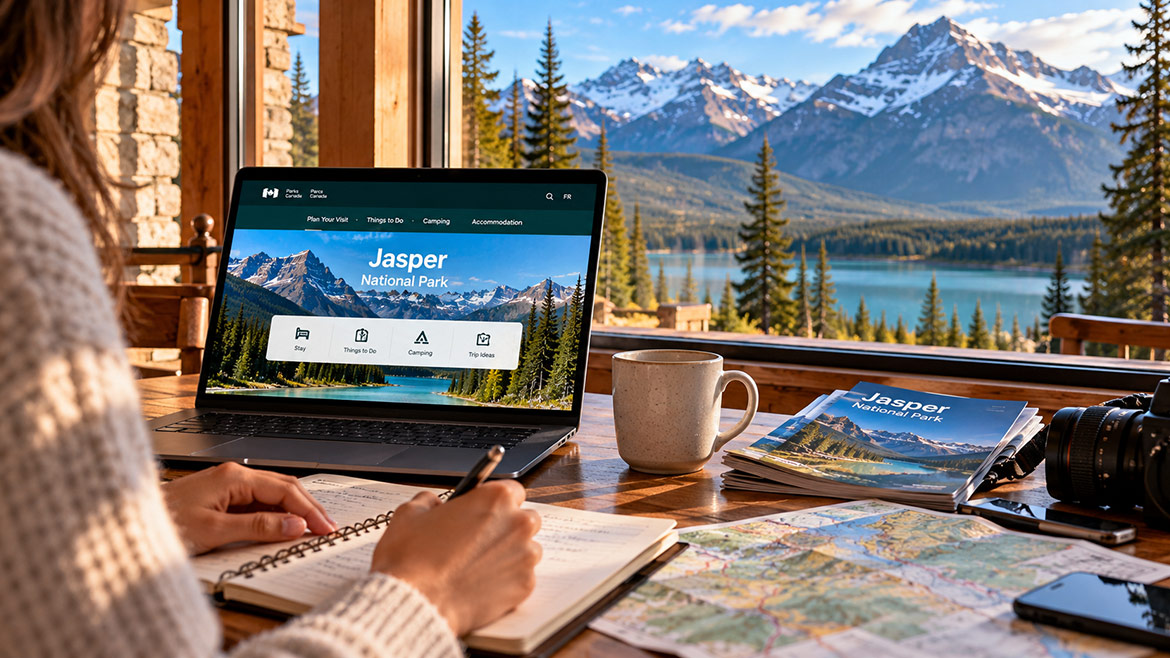
You do not specifically need a Discovery Pass to enter Jasper. Visitors can use either valid daily admission or an appropriate Parks Canada Discovery Pass.
The Discovery Pass provides admission to participating Parks Canada places for 12 months, while daily admission may be more economical for a short visit. Compare the current rates based on the number and ages of travellers, length of stay and whether you will visit other participating national parks.
Park admission does not automatically include separately priced commercial attractions, tours, cruises or other optional experiences.
Accommodation and Camping
Jasper townsite provides the largest concentration of hotels and other visitor services, while cabins, lodges and campgrounds offer alternatives elsewhere in the park and surrounding region.
Reserve early when travelling during high-demand periods, especially if your dates are fixed. Campground availability can also be affected by recovery work or seasonal closures. For the 2026 camping season, for example, Wabasso Campground and Whirlpool Group Campground are closed.
When comparing accommodation, consider more than the nightly rate. Location affects how much driving is required each morning and evening, particularly if several days of sightseeing begin from Jasper townsite.
Current Closures and Wildfire Recovery
The 2024 Jasper wildfire continues to influence some visitor areas. Recovery work has included hazard-tree removal, trail repairs, bridge construction, rerouting and safety assessments. By 2026, Parks Canada reported that virtually all Jasper trails had reopened, including Valley of the Five Lakes, Wabasso Lake and Curator trails, although some areas remain closed.
Maligne Canyon remains closed for the 2026 season. Because recovery conditions can change, travellers should use Parks Canada’s current “What’s Open” information and trail reports shortly before visiting rather than relying on a static list in an older travel article.
Accessibility in Jasper National Park
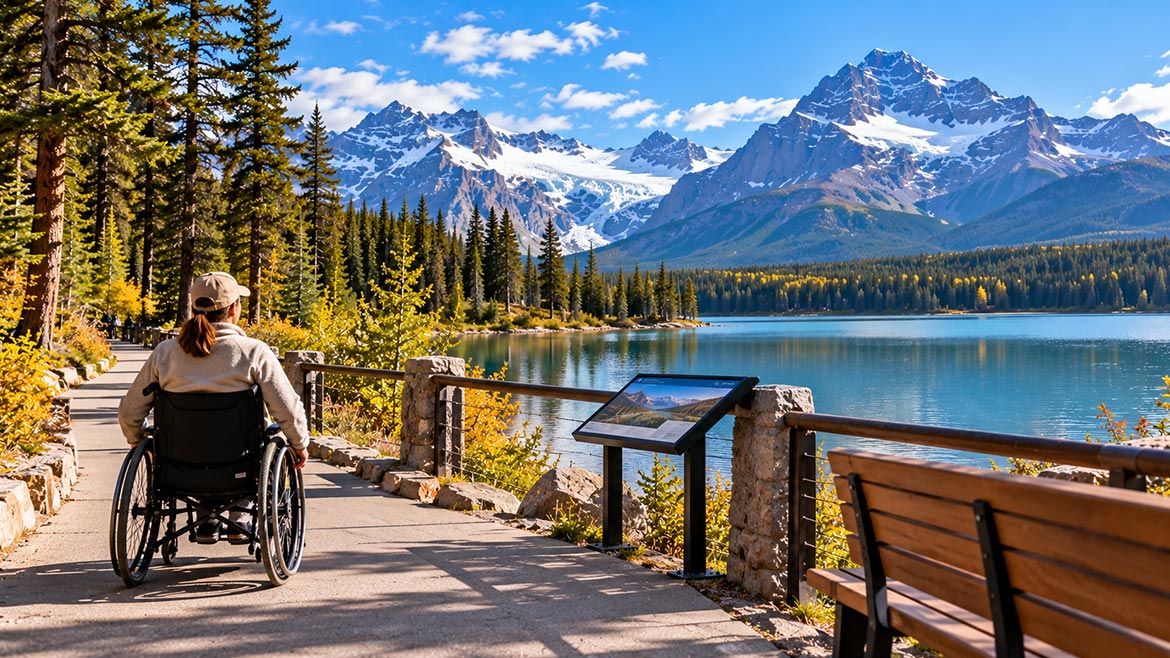
Accessibility varies across Jasper because the park combines developed facilities with natural trails, gravel surfaces, steep terrain and remote mountain areas. Travellers with mobility requirements should plan individual stops rather than assuming that all major attractions have the same level of access.
Parks Canada provides detailed accessibility information for parking areas, washrooms, picnic sites, trails and visitor facilities. Accessible facilities are available at locations including Jasper townsite, the Columbia Icefield Discovery and Information Centre, Lake Annette, Pyramid Lake and Maligne Lake, although individual routes and facilities may still have limitations.
Lake Annette has a 2.4-kilometre paved loop, but Parks Canada notes that some slopes and cross-slopes can still be challenging. At Maligne Lake, the first section of the Mary Schäffer Loop is paved, while later sections become more natural and uneven. The Columbia Icefield Discovery and Information Centre provides designated accessible parking, elevators and accessible washrooms.
If step-free access, accessible parking or suitable washrooms are essential, review the current information for each planned stop before departure.
Jasper National Park Visitor Tips
A good Jasper itinerary is usually built around flexibility rather than trying to fit as many attractions as possible into one trip. Distances, mountain weather, wildlife activity and temporary closures can all affect the day.
Before travelling, keep these points in mind:
- Check Parks Canada for current closures, trail conditions, restrictions and warnings.
- Check Alberta 511 before long drives, particularly the Icefields Parkway.
- Do not assume navigation apps reflect current seasonal or temporary road closures.
- Allow more driving time than a map estimate when sightseeing along the Icefields Parkway.
- Fill your fuel tank before remote drives, particularly in winter.
- Bring layers and rain protection even when the forecast looks favourable.
- Carry bear spray on appropriate hiking routes, keep it accessible and know how to use it.
- Maintain required distances from wildlife and never feed or approach animals.
- Reserve high-priority accommodation, camping and ticketed experiences ahead of busy travel periods.
- Keep at least one flexible period in a multi-day itinerary so weather or access changes do not disrupt the entire trip.
Combining Jasper with Banff and the Canadian Rockies
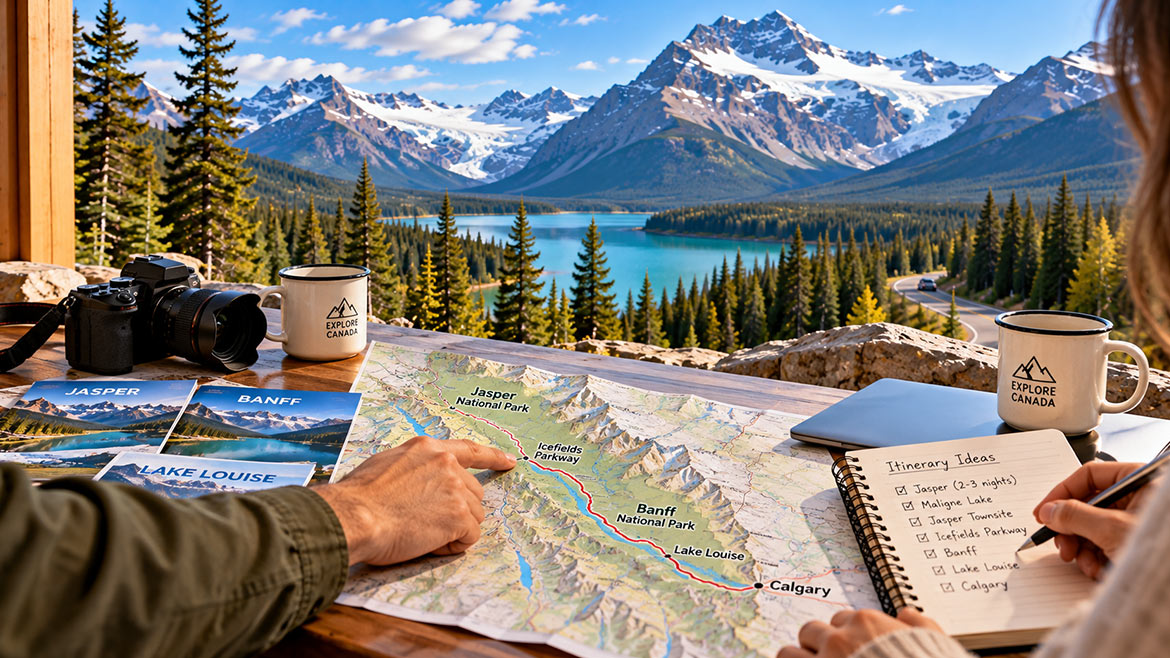
Jasper fits naturally into a wider Alberta Rockies itinerary because the Icefields Parkway directly connects Jasper National Park with the Lake Louise area of Banff National Park. Jasper and Banff are also both part of the Canadian Rocky Mountain Parks UNESCO World Heritage Site.
A common route is Calgary to Banff or Lake Louise, followed by the Icefields Parkway to Jasper and then onward to Edmonton. Travelling in this direction avoids immediately retracing the same highways and allows the parkway itself to function as one of the trip’s main sightseeing days.
Travellers with additional time can also connect Jasper with Mount Robson Provincial Park or continue farther into British Columbia. The right combination depends on the total trip length; adding more destinations is not necessarily useful if it leaves too little time to explore each park.
Is Jasper National Park Worth Visiting?
Jasper is well suited to travellers looking for a Canadian Rockies trip that combines scenic drives, lakes, waterfalls, hiking, wildlife viewing and mountain landscapes. It also works well for travellers combining several of Alberta’s mountain parks in one trip.
Its size is part of the appeal, but it also makes planning more important. Jasper is better suited to travellers who allow time between attractions rather than trying to rush through a checklist. A multi-day stay provides more room for weather changes, wildlife-safe travel, hiking and the considerable driving distances between different areas.
Travellers who want to minimise driving may prefer to concentrate on fewer areas or use organised sightseeing experiences. Those seeking extensive backcountry hiking need a different level of preparation than visitors focused on accessible viewpoints and scenic drives.
A good Jasper itinerary is not necessarily the one with the most stops. It is the one that matches the season, current access conditions, available time and traveller’s preferred pace.
Planning Jasper National Park with Alaedin Travel Canada
Jasper can be included in a standalone Alberta trip or a broader Western Canada itinerary that also covers destinations such as Banff, Lake Louise and Calgary. The main planning decisions are how many nights to stay, which direction to travel, where to stay and which experiences need advance reservations.
Alaedin Travel Canada can include Jasper National Park in a customized Canada itinerary, along with accommodation, transportation, flights and other travel arrangements. For travellers combining Jasper and Banff, the itinerary can also be structured so that the Icefields Parkway becomes part of the experience rather than simply a long transfer between hotels.
For shorter stays, concentrating on one or two areas of Jasper generally produces a better itinerary than attempting to cover the entire park. For longer trips, separate days can be allocated to the Maligne Valley, Jasper-area lakes, hiking and the Icefields Parkway, with enough flexibility to respond to current weather and park conditions.
Final Thoughts on Visiting Jasper National Park
Jasper National Park is easier to enjoy when you allow enough time to appreciate its scale. Maligne Lake, Pyramid Lake, Athabasca Falls, the Icefields Parkway and other major attractions are spread across the park, which makes careful planning important.
For most travellers, a few well-planned days are more practical than an overloaded one-day itinerary. Check current park and road conditions, respect wildlife regulations, reserve essential experiences ahead of busy periods and leave enough flexibility for mountain weather or temporary closures.
Jasper is still recovering from the 2024 wildfire, but virtually all trails have reopened and most visitor areas are now open. Travelling with up-to-date information and being prepared to adjust your itinerary where recovery work continues are important parts of visiting the park responsibly.
Tours

Eastern Canada Tour – 7 Days / 6 Nights
$950.00 /starting at

Eastern Canada Tour – 9 Days / 8 Nights
$1,790.00 /starting at

Vancouver Victoria Whistler Tour – 5 Days / 4 Nights
$2,990.00 /starting at
