FITUR Madrid: A Guide for Travel Businesses
Learn how travel agencies and tour operators can use FITUR Madrid for supplier sourcing, partnerships, market intelligence, due diligence and product developmen

FITUR Madrid: A Guide for Travel Businesses
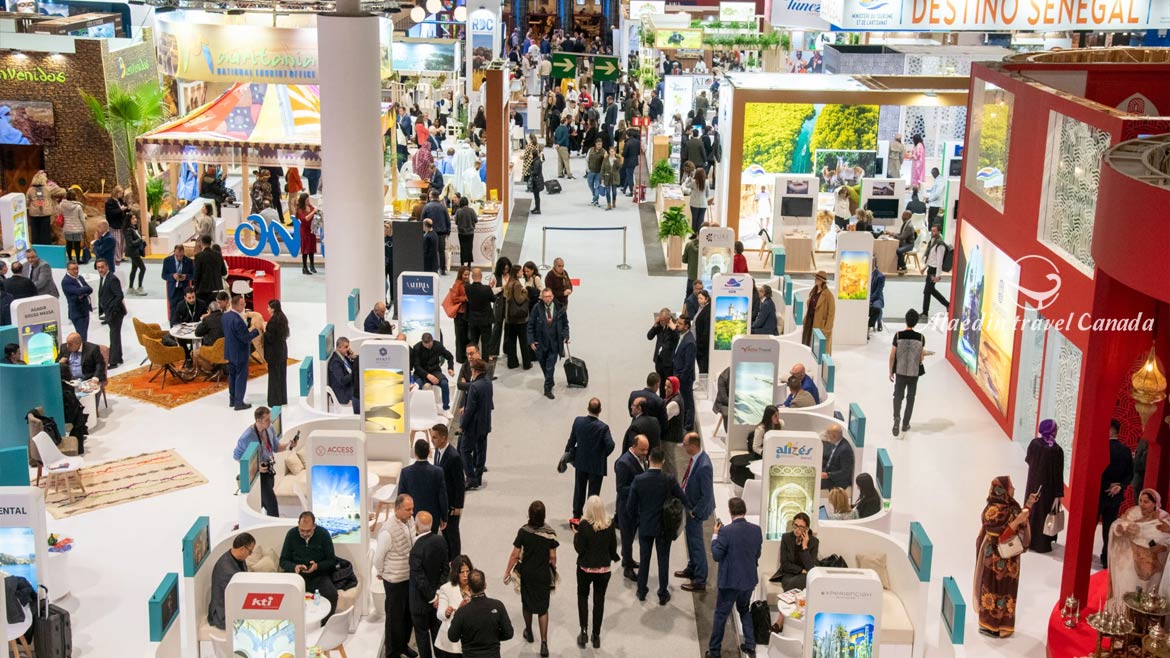
FITUR Madrid is one of the travel industry’s major international meeting points. Held at IFEMA MADRID in Spain, the International Tourism Trade Fair brings together destinations, travel agencies, tour operators, destination management companies, tourism boards, hotels, transportation providers, technology companies and other organizations across the tourism value chain.
For travel businesses, FITUR is not simply a place to collect brochures or view destination presentations. Its commercial value comes from supplier sourcing, product development, partnership building, market intelligence and structured evaluation of tourism opportunities.
This guide is designed primarily for travel agencies, tour operators, DMCs, tourism suppliers and decision-makers. It explains what FITUR is, why it matters, how to prepare for productive meetings, how to evaluate suppliers and trends, and how to measure results after the event. It also considers how trade-fair intelligence can influence the travel products eventually offered to Canadian travellers.
What Is FITUR?
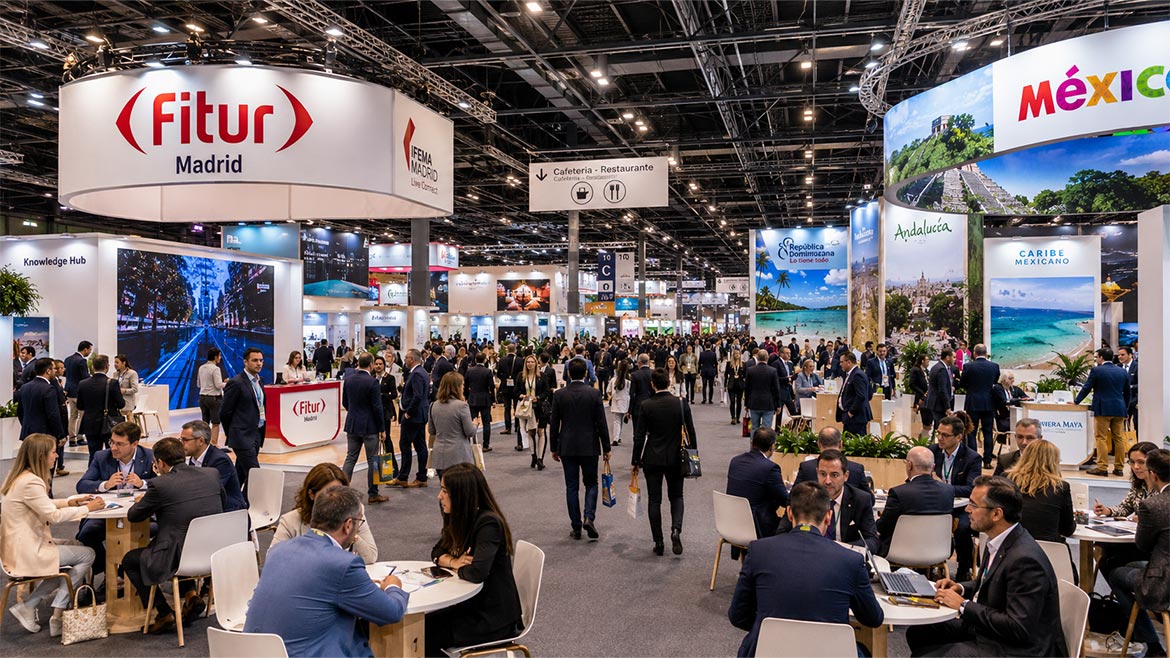
FITUR, short for Feria Internacional de Turismo, is an annual tourism trade fair organized by IFEMA MADRID. It combines exhibition areas, scheduled business meetings, destination presentations, product launches, educational sessions, networking events and specialized tourism forums.
FITUR 2026 brought together more than 10,000 companies from 161 countries, including 111 countries with official representation and 967 principal exhibitors. The event welcomed more than 155,000 tourism professionals and nearly 100,000 public visitors, according to IFEMA MADRID.
The scale of the event gives participants access to a wide range of tourism organizations in one location, including:
- Travel agencies and tour operators
- Destination management companies
- National and regional tourism boards
- Hotels, airlines, rail companies and cruise operators
- Attractions and experience providers
- Travel technology businesses
- Government bodies, trade associations and tourism media
FITUR is held in Spain, but its scope is international. Its importance is particularly strong across Spain, Europe, Latin America and other markets connected to Spanish-speaking tourism networks.
Why FITUR Matters
FITUR matters because it concentrates suppliers, destinations, commercial decision-makers and industry intelligence into one business environment. A well-prepared company can compare opportunities that might otherwise require months of research, correspondence and separate international meetings.
Its most important value usually falls into four areas: supplier and destination discovery, partnership development, market intelligence, and evaluation of emerging tourism products and technologies.
Supplier and Destination Discovery
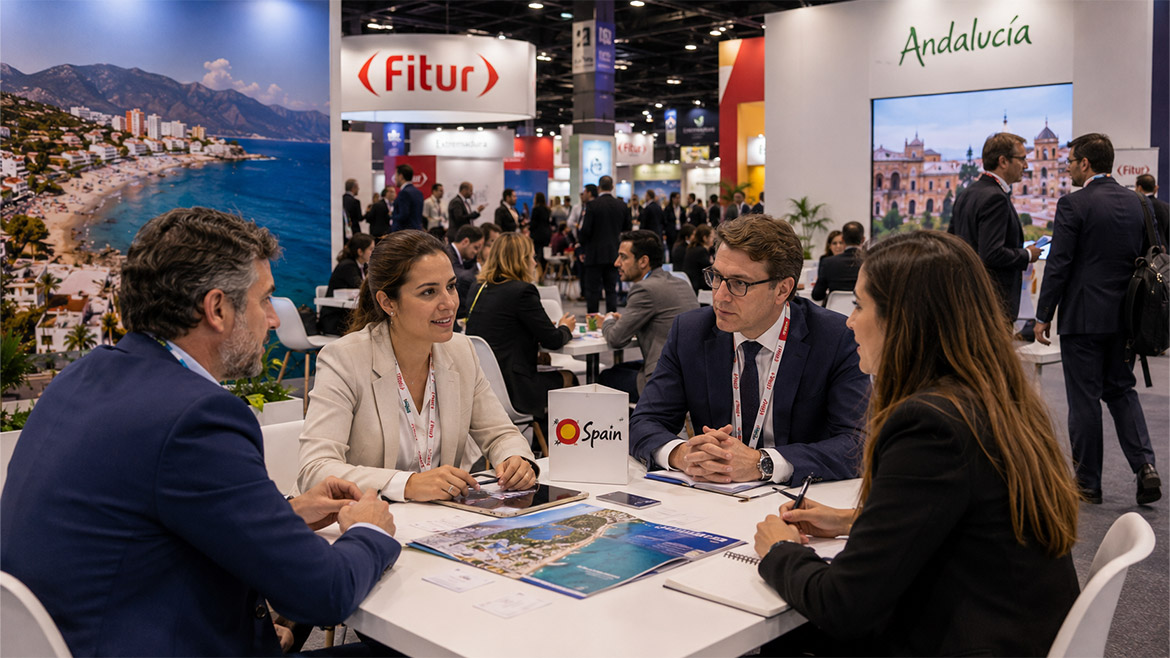
FITUR gives travel businesses direct access to DMCs, accommodation providers, transportation companies, attractions, guides and tourism boards. These meetings help agencies assess whether a supplier or destination suits their customer profile.
Face-to-face discussions can reveal information that is not always clear from a website or sales presentation, such as:
- Whether a supplier understands the agency’s source market
- Which services are delivered directly or subcontracted
- Whether the product is fully operational and bookable
- How the company manages changes, complaints and emergencies
- Whether sufficient capacity exists for private or group travel
Tourism boards also use FITUR to present new routes, regions, investments and strategic priorities. These presentations can help businesses identify secondary destinations, new seasonal opportunities or alternatives to highly crowded locations.
However, destination promotion should always be tested against operational realities such as transportation, hotel capacity, guiding, opening periods and realistic travel times.
Commercial Partnerships
FITUR can support relationships between travel agencies, tour operators, DMCs, tourism boards, hotels, airlines, attractions and technology providers. Possible outcomes include new supplier agreements, group programmes, private itineraries, joint marketing, product training and destination launches.
A positive meeting should not automatically lead to a contract. In many cases, the correct outcome is a defined next step: requesting written rates, reviewing references, arranging a test booking or involving operational teams in further discussions.
Businesses should also use the event to strengthen existing partnerships. Reviewing service performance, capacity, rate changes and future product opportunities with current suppliers may produce faster commercial value than focusing only on new contacts.
Market Intelligence
FITUR provides a useful view of destination priorities and travel industry trends. Companies can compare what tourism boards, suppliers and technology providers are investing in and how they are positioning their products.
Relevant signals may include:
- New air routes and transportation links
- Changes in hotel capacity or seasonal availability
- Destination repositioning
- Demand for private, small-group or premium travel
- New booking and distribution technology
- Increased attention to accessibility and sustainability
This intelligence becomes valuable only when it is recorded and linked to decisions. Notes should identify the opportunity, supporting evidence, possible risks and required follow-up rather than relying on general impressions.
Technology and Product Development
FITUR also allows businesses to assess tools for reservations, customer relationship management, itinerary creation, dynamic packaging, communication, revenue management and data analysis.
A technology demonstration may look impressive without solving a meaningful business problem. Travel companies should assess integration, implementation cost, data ownership, security, training, reliability and total cost of ownership before proceeding.
The same principle applies to tourism products. A new experience is commercially useful only when it is bookable, operationally reliable, suitable for the target customer and capable of being integrated into a realistic itinerary.
What to Evaluate at FITUR
The scale and promotional nature of FITUR make structured evaluation essential. Businesses need a consistent framework for comparing suppliers rather than relying on stand design, presentation quality or personal enthusiasm.
The following table highlights the most important areas to assess during initial meetings.
| Evaluation Area | Key Questions | Why It Matters |
| Customer fit | Does the product suit the target market, budget and travel style? | Prevents unsuitable product development |
| Product readiness | Is the service currently bookable and tested? | Reduces the risk of selling incomplete products |
| Capacity | Can the supplier handle expected group sizes and seasons? | Supports reliable delivery and growth |
| Operations | Who handles bookings, changes and emergencies? | Reveals service capability |
| Commercial terms | What rates, deposits, payment dates and cancellation rules apply? | Affects pricing, cash flow and risk |
| Quality control | How are guides, hotels, vehicles and subcontractors monitored? | Protects the customer experience |
| Communication | What are normal and emergency response times? | Supports effective problem resolution |
| Evidence | Can licences, insurance, references and claims be verified? | Strengthens due diligence |
A supplier should not be approved simply because its product appears attractive. Commercial compatibility requires acceptable pricing, operational reliability, clear responsibilities and sufficient evidence.
Supplier Due Diligence
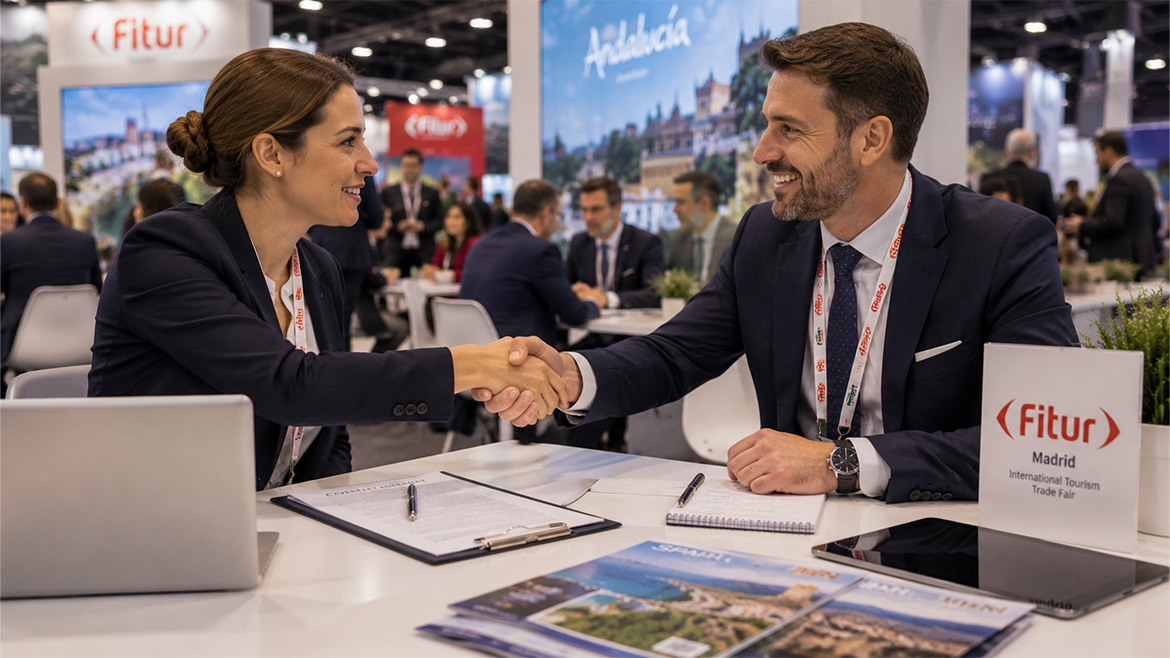
A trade-fair meeting is an introduction, not a substitute for formal supplier checks. Before contracting any company identified at FITUR, travel businesses should verify its legal status, operational capability, commercial terms and reputation.
The depth of due diligence should reflect the level of risk. A supplier responsible for transportation, accommodation or multi-day ground operations requires more scrutiny than a provider of a limited optional activity.
Legal and Corporate Checks
Businesses should confirm the supplier’s registered company name, business address, required licences, insurance coverage and operating history. Contract jurisdiction, data protection responsibilities and payment details should also be reviewed.
Documentation should be current and consistent with the company presenting the product. Where local regulations require specific operating permits or professional qualifications, those requirements should be independently verified.
Operational Capability
Operational review should focus on who actually delivers the service and how quality is controlled. Companies should ask about staffing, language support, subcontracting, guide selection, vehicle standards, booking response times and incident management.
Emergency procedures are especially important. The supplier should provide clear contact channels, escalation responsibilities and processes for disruptions, missed services, customer illness or last-minute operational changes.
Commercial Terms and Contract Risk
Rates should be reviewed together with all related conditions. A low initial price may be less attractive once taxes, mandatory fees, deposits, amendment charges or restrictive cancellation rules are included.
Important points include:
- Whether rates are net or commissionable
- Currency and rate-validity periods
- Deposit and final-payment schedules
- Cancellation and amendment conditions
- Release periods and minimum group sizes
- Refund procedures and responsibility for service failure
Verbal agreements should be followed by written rates, service descriptions and contract terms. Businesses should avoid promising sales volume that is not supported by realistic demand.
Reputation and References
A credible supplier should be willing to provide references from comparable travel businesses or source markets. Online reviews can provide additional context, but they should not replace trade references and direct verification.
Warning signs include inconsistent answers, pressure to sign quickly, refusal to provide documents, unclear subcontracting, unsupported sustainability claims or unusually low rates without a reasonable explanation.
Key Tourism Trends at FITUR
FITUR can help businesses identify themes shaping tourism development, but a visible trend is not automatically a viable commercial opportunity. Companies should look for supporting evidence such as customer demand, bookable inventory, transportation access, supplier investment and operational capacity.
The most relevant trends are those that can be converted into reliable products for a clearly defined market.
Experiential and Sustainable Tourism
Experiential travel emphasizes active engagement with local culture, food, history, communities and landscapes. Examples include culinary workshops, locally guided walks, artisan visits and nature-based activities.
Travel businesses should move beyond broad claims of authenticity. They should ask who delivers the experience, how local communities benefit, whether it can operate consistently, what group size is suitable and how weather or accessibility needs are handled.
Sustainability claims require similar scrutiny. Terms such as green, responsible or eco-friendly should be supported by specific policies, recognized certification or measurable evidence. One sustainable component does not make an entire itinerary responsible.
Travel Technology
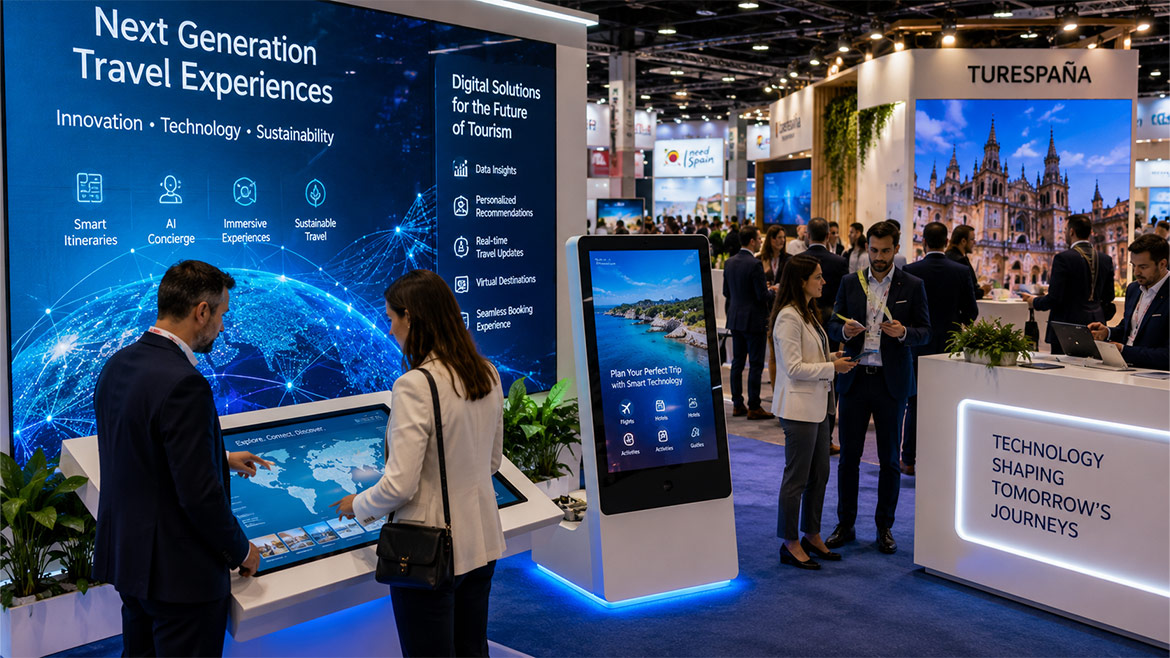
Tourism technology displayed at FITUR may include booking systems, itinerary tools, artificial intelligence applications, digital ticketing, customer communication platforms and revenue-management solutions.
The strongest technology investments solve a defined operational problem. Before purchasing, businesses should assess compatibility with current systems, staff training, customer support, data security, contract length and exit conditions.
Luxury and Personalized Travel
Luxury travel increasingly depends on the quality of the complete journey rather than accommodation category alone. Private transportation, specialist guides, flexibility, efficient transfers, thoughtful pacing and strong disruption support can matter as much as the hotel.
Businesses evaluating premium products should review the full service chain from arrival to departure. Weak communication or unreliable transfers can undermine an otherwise high-quality itinerary.
Accessibility and Inclusive Tourism
Accessible tourism requires detailed and verified information. General statements that a hotel, attraction or tour is accessible are not sufficient.
Travel companies should confirm step-free access, vehicle suitability, walking distances, surface conditions, accessible bathrooms, equipment handling and emergency procedures. Accurate accessibility information supports better planning and reduces the risk of misleading customers.
Secondary Destinations and MICE
Regional tourism boards often use FITUR to promote smaller cities, rural areas, heritage routes and year-round alternatives to major tourism centres. These destinations may offer differentiation, but only when transportation, accommodation, guiding and visitor services are reliable.
Meetings, incentives, conferences and exhibitions also remain commercially important. MICE suppliers should be evaluated on venue capacity, technology, transport, accommodation, accessibility, security and contract flexibility.
FITUR Strategy: Before, During and After
A practical FITUR strategy has three stages. Preparation determines meeting quality, disciplined evaluation improves decision-making during the event, and structured follow-up converts conversations into commercial results.
The following process keeps activity connected to measurable business goals.
Before FITUR
Effective preparation begins by defining what the company needs to achieve. General goals such as “find suppliers” should be replaced with specific outcomes, such as identifying two qualified Spanish DMCs or comparing three itinerary-management platforms.
Before the event, businesses should:
- Define measurable commercial objectives.
- Prepare a concise customer and source-market profile.
- Classify exhibitors as priority, exploratory or optional.
- Schedule important meetings in advance.
- Prepare a consistent supplier scorecard.
- Establish negotiation limits for rates, deposits and cancellation terms.
- Leave time for unscheduled discoveries and note-taking.
Meeting requests should explain the company, customer segment and reason for interest. Suppliers are more likely to provide relevant information when they understand the market represented.
During FITUR
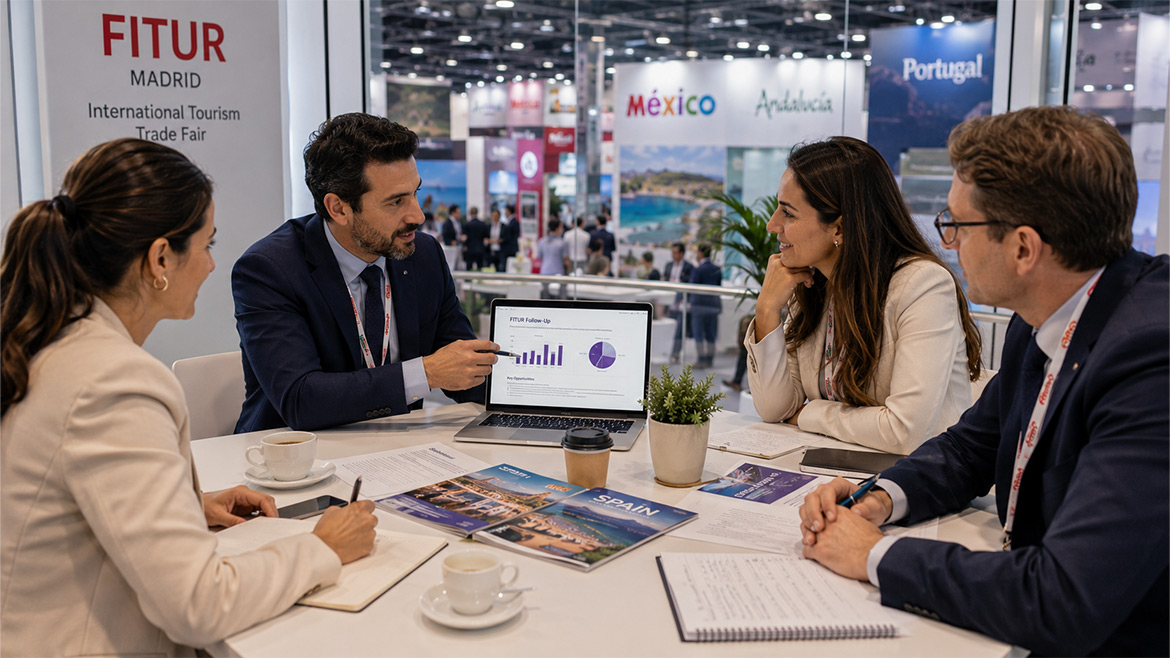
Meetings should establish commercial relevance quickly. The discussion should cover the supplier’s product, target markets, operational capability, rates, capacity and required next steps.
A focused 20-minute meeting can follow this structure:
- First five minutes: company and customer profile
- Next five minutes: supplier capabilities and products
- Next five minutes: operational and commercial questions
- Final five minutes: fit, risks, documents and next actions
Participants should record facts rather than vague impressions. Useful notes include products discussed, commercial conditions, operational strengths, identified risks, promised documents, follow-up dates and responsible team members.
Promotional claims should be separated from evidence. If a product is described as premium, sustainable, accessible or exclusive, ask what documentation, service standards or operating history supports the claim.
After FITUR
Post-event follow-up should begin with prioritization. Contacts can be classified as immediate opportunities, suppliers requiring due diligence, future possibilities, market intelligence or unsuitable leads.
Each meaningful contact should receive a specific next action. This may involve requesting documents, arranging an operational call, reviewing a contract, testing a booking or developing a sample itinerary.
New products should be tested before large-scale promotion. A limited departure, private booking or small-group trial can reveal weaknesses in communication, logistics or service quality.
Every major finding should lead to a decision: develop, negotiate, test, monitor, defer or reject.
Measuring FITUR ROI
FITUR return on investment should include both direct financial results and strategic value. Some outcomes, such as new bookings, may appear quickly, while supplier relationships and product development may require several months.
The basic financial formula is:
FITUR ROI = (Financial benefit attributable to FITUR − total participation cost) ÷ total participation cost × 100
Participation costs may include registration, exhibition space, travel, accommodation, staffing, marketing materials and follow-up time.
Useful performance indicators include:
- Priority meetings completed
- Qualified suppliers identified
- Suppliers approved after due diligence
- Contracts or improved terms negotiated
- New products developed and launched
- Leads, bookings and revenue generated
- Cost savings achieved
- Follow-up actions completed
Businesses should review results at several intervals, such as 30 days, 90 days, six months and one year. Strategic benefits such as stronger market intelligence, supplier diversification and reduced operational risk should be documented even when they do not produce immediate revenue.
Common FITUR Mistakes
The most common mistakes occur when businesses treat attendance as the result rather than the beginning of a commercial process. Activity may appear productive while producing little usable value.
The most important errors include:
- Attending without clear, measurable objectives
- Scheduling too many meetings without time for notes and movement
- Collecting contacts without qualifying commercial fit
- Accepting promotional claims without evidence
- Prioritizing low prices over operational reliability
- Following trends that do not suit the customer base
- Ignoring existing supplier relationships
- Failing to assign follow-up actions and deadlines
A large contact list is not a business pipeline. The value of FITUR depends on the quality of decisions made after the event.
How FITUR Affects Canadian Travellers
Most Canadian travellers will never attend FITUR, but the event can influence the products they see in the market. Travel agencies and tour operators may use trade-fair intelligence to develop new destinations, negotiate services, compare suppliers and improve itinerary design.
This can affect:
- Destination combinations and regional routes
- Private, group and small-group products
- Accommodation and transportation choices
- Seasonal availability and booking conditions
- Accessibility information
- Pricing and included services
- Itinerary pacing and travel times
For Canadians travelling to Europe, thoughtful planning is especially important because long-haul flights, limited vacation time and multi-country transportation can make an overloaded itinerary expensive and tiring.
A well-informed travel advisor should be able to explain why a destination suits the traveller, which experiences are genuinely bookable, what requires advance reservation and which trade-offs affect price, comfort and pace.
Alaedin Travel Canada’s Perspective
For a travel company serving Canadian clients, FITUR can be one source of market intelligence within a broader process of destination research, supplier evaluation and itinerary development.
The most valuable industry insights are those that improve practical decisions, including destination selection, European route planning, supplier reliability, seasonal recommendations, hotel and transportation choices, private and group travel, traveller support and risk management.
No tourism trade fair replaces independent research, contract review, formal due diligence or operational testing. Information gathered through industry events becomes valuable only when it is verified and adapted to the needs of actual travellers.
Canadian travellers considering Spain or a multi-country European itinerary can speak with Alaedin Travel Canada about suitable destination combinations, trip pacing, accommodation and group or customized travel options.
Frequently Asked Questions
The following questions address the most common business and traveller concerns about FITUR Madrid. Each answer focuses on the event’s practical role rather than its promotional profile.
What Is FITUR?
FITUR is the International Tourism Trade Fair held annually at IFEMA MADRID in Spain. It connects destinations, travel agencies, tour operators, DMCs, hotels, transportation companies, technology providers, tourism authorities and other organizations across the global travel industry.
Why Is FITUR Important for Travel Agencies?
FITUR allows travel agencies to compare destinations, meet suppliers, identify tourism trends and explore commercial partnerships in one location. Its value depends on clear objectives, structured meetings, supplier evaluation and disciplined follow-up after the event.
Who Attends FITUR?
Participants include tourism boards, travel agencies, tour operators, destination management companies, hotels, airlines, cruise operators, attractions, technology providers, government organizations, media and tourism professionals. Part of the event is business-focused, while public attendance also forms part of the fair.
Is FITUR Only Focused on Spain?
No. FITUR is held in Madrid and has a strong role in Spain and Spanish-speaking tourism markets, but it includes destinations, suppliers and industry organizations from around the world.
How Should a Travel Agency Prepare for FITUR?
A travel agency should define measurable goals, identify priority exhibitors, prepare a customer profile, schedule key meetings and develop a supplier scorecard. It should also decide in advance which commercial terms and risks require closer review.
How Can Suppliers Be Evaluated at FITUR?
Suppliers should be assessed on legal status, insurance, market experience, capacity, operational procedures, communication, commercial terms, quality control and references. A meeting can identify potential, but formal due diligence should occur before contracting.
Can Small Travel Agencies Benefit From FITUR?
Yes. Small agencies can benefit when they have a clear niche, target market and meeting plan. A focused agency may be more attractive to specialized suppliers than a larger company with no defined customer segment or commercial objective.
Does FITUR Guarantee Better Supplier Rates?
No. FITUR creates opportunities to discuss rates and terms, but pricing depends on seasonality, volume, capacity, payment conditions, demand and the overall relationship. The lowest rate may not provide the best value if operational or cancellation risks are high.
How Can FITUR ROI Be Measured?
Businesses can track meeting quality, approved suppliers, contracts, product launches, bookings, revenue, cost savings and completed follow-up actions. Results should be reviewed over time because some partnerships and products may take months to produce measurable returns.
How Does FITUR Affect Canadian Travellers?
FITUR can influence which destinations, suppliers, experiences and itinerary formats are offered in Canada. Travel companies may use event intelligence to develop new routes, improve supplier selection and provide more informed recommendations about pricing, pacing and seasonal travel.
Final Takeaway
FITUR matters because it brings destinations, tourism suppliers, technology providers and decision-makers together in one international marketplace. For travel businesses, it can support supplier sourcing, product development, partnership building, market intelligence and operational improvement.
Its value is not measured by the number of stands visited or contacts collected. The strongest results come from clear objectives, focused meetings, documented supplier evaluation, formal due diligence and consistent follow-up.
A productive FITUR strategy should leave a business with better decisions: which suppliers deserve further investigation, which destinations fit the customer base, which trends have commercial value and which risks should be avoided.